Understanding the Emotional and Practical Impact of Moving Into Care
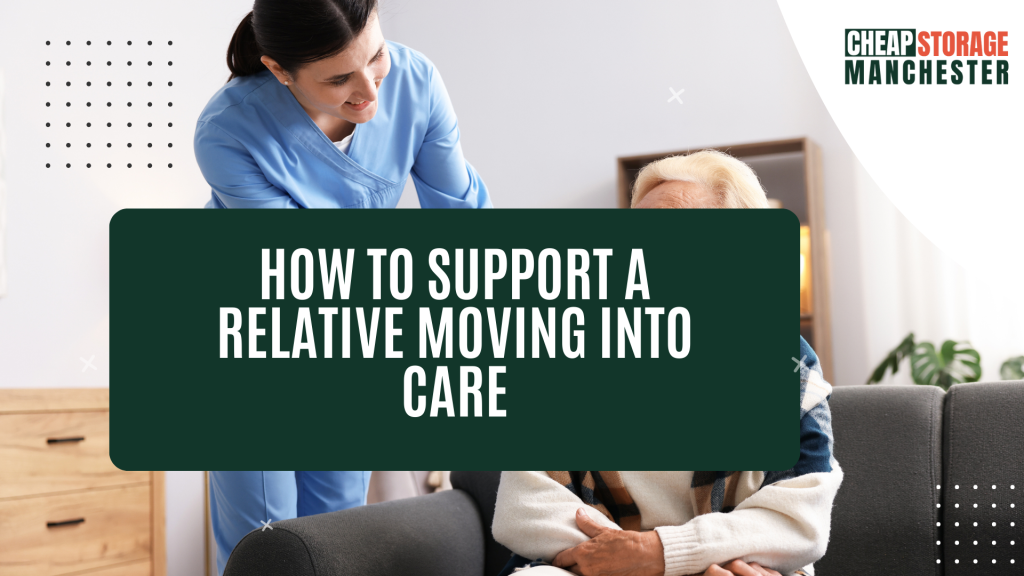
When a relative moves into residential or supported care, it’s rarely just a logistical change. It’s an emotional shift for the whole family. In Manchester, this transition often follows a health event, gradual loss of independence, or the point where care at home is no longer safe or sustainable.
Alongside emotional support, there are immediate practical questions:
- What happens to their home?
- What should be kept, stored, or let go?
- How do you manage this without rushing difficult decisions?
For many families, self storage becomes a way to slow the process down. It creates space physically and emotionally during a life event that can feel overwhelming.
Why Storage Often Becomes Necessary During a Move Into Care
When a Home Can’t Be Dealt With Immediately
Moving into care doesn’t always mean a permanent decision has been made about a property. In many cases:
- The future of the home is undecided
- Other family members live far away
- Probate or legal decisions are pending
- Emotions make sorting difficult
Storage allows belongings to be protected while everyone adjusts.
This is particularly relevant during major life transitions, which are explored further on the Life Events & Storage page.
Supporting Your Relative Emotionally First
Reassurance Matters More Than Efficiency
Before any packing begins, emotional reassurance is key. Many people moving into care worry about losing control or being “cleared out”.
Helpful approaches include:
- Explaining that storage is temporary, not final
- Involving them in decisions where possible
- Reassuring them that personal items are safe
Storage isn’t about erasing a life. It’s about protecting it while circumstances change.
Deciding What to Store, What to Move, and What to Leave
Start With Three Gentle Categories
Rather than sorting everything at once, break decisions down into manageable steps.
A simple structure helps:
- Move to care – clothing, photos, small personal items
- Store safely – furniture, keepsakes, household contents
- Review later – items that need more time or discussion
This avoids rushed decisions that often lead to regret.
Guidance on careful sorting during transitions can also be found in decluttering after life changes.
Preparing Belongings for Storage With Care
Cleaning and Packing Without Removing Meaning
Items don’t need to be perfect, but they do need to be protected.
Before storage:
- Lightly clean furniture and surfaces
- Wash and fully dry fabrics
- Avoid over-handling sentimental items
Use clear labels that describe contents without emotional weight. This makes future sorting easier.
Access to proper materials, such as free packing boxes, can make the process smoother.
Furniture and Larger Household Items
Why Furniture Is Often Stored, Not Sold
Beds, wardrobes, tables, and armchairs often carry strong emotional associations. Selling them immediately can feel too final.
Using dedicated furniture storage allows families to:
- Keep options open
- Avoid rushed decisions
- Protect items until the future is clearer
Furniture can always be sold or donated later, when emotions are less raw.
Choosing the Right Storage Facility in Manchester
Security and Trust Are Essential
When storing a relative’s belongings, peace of mind matters.
Look for facilities offering:
- CCTV and controlled access
- Clean, dry storage units
- Clear security procedures
Facilities focused on safe and secure storage help reduce anxiety when items are out of sight.
Access That Fits Family Schedules
Families often need to access belongings outside normal working hours.
Facilities that are open 7 days a week make it easier to visit when everyone is available.
Transport Support During an Already Stressful Time
You Don’t Have to Do Everything Yourself
Clearing or partially emptying a home can be physically demanding and emotionally exhausting.
Support services can include:
Using help allows families to focus on supporting their relative, rather than struggling with logistics.
Managing Costs Sensibly
Storage Should Reduce Stress, Not Add to It
Moving into care can bring new financial pressures, so storage needs to be manageable.
When comparing options, look for:
- Transparent pricing
- No-deposit options
- Flexibility to reduce unit size later
Reviewing storage prices alongside cheapest storage prices helps families plan realistically.
Short-term offers, such as 50% off your first 9 weeks, can help during the initial adjustment period.
When Home Renovation Enters the Picture
Adapting the Home or Preparing It for the Future
In some cases, Home Renovation becomes part of the process. This might involve:
- Adapting the property for potential future return
- Preparing the home for rental or sale
- Making safety improvements
During home renovation work, storage protects furniture and belongings from dust, damage, or removal. It also keeps the property clear for contractors.
Storage can support these changes without forcing immediate decisions about the home’s long-term future.
Legal and Document Considerations
Keep Important Papers Safe and Accessible
Documents should always be handled separately from general belongings.
These may include:
- Identification
- Medical records
- Financial and legal paperwork
Secure options like document archive storage help keep everything organised during a complex time.
Knowing When to Pause
Storage as Emotional Breathing Space
It’s okay to stop sorting when it becomes too much.
Storage provides:
- Time to adjust emotionally
- Distance from constant decision-making
- Flexibility if circumstances change
There is no deadline for grief or adjustment.
When Storage May Not Be the Right Choice
Storage isn’t always necessary. It may not be suitable if:
- The property is being cleared immediately
- Items have little emotional or financial value
- Storage costs outweigh benefits
In these cases, donation or gifting may feel more appropriate. The key is choosing what supports your relative and yourself best.
Revisiting Stored Belongings Later
Take It Slowly and With Support
When the time comes to review stored items:
- Tackle one category at a time
- Bring another family member for support
- Set clear time limits
There’s no correct timeline. Storage allows families to move forward without rushing.
Quick Summary: Supporting a Relative Moving Into Care
- Moving into care is both emotional and practical
- Storage provides time and space during transition
- Prioritise personal items and important documents
- Choose secure, accessible storage in Manchester
- Use storage to reduce pressure, not avoid decisions forever
Taking the Next Step With Care
Supporting a relative moving into care is about compassion, patience, and practical support not speed.
Storage can be part of that support, offering a respectful way to protect belongings while everyone adjusts. The team behind Cheap Storage Manchester regularly helps families navigating sensitive life events, including moves into care, home changes, and home renovation planning.
If you need calm, practical guidance, the FAQs or contact page are a good place to start.
Sometimes, the most helpful thing you can offer is time and storage gives you exactly that.