Understanding the Space Dilemma: Self Storage vs. Renting a Warehouse
As your business grows, so does the space you need. Whether it’s stock for online orders, tools for projects, or seasonal inventory for market stalls, finding the right type of space matters.
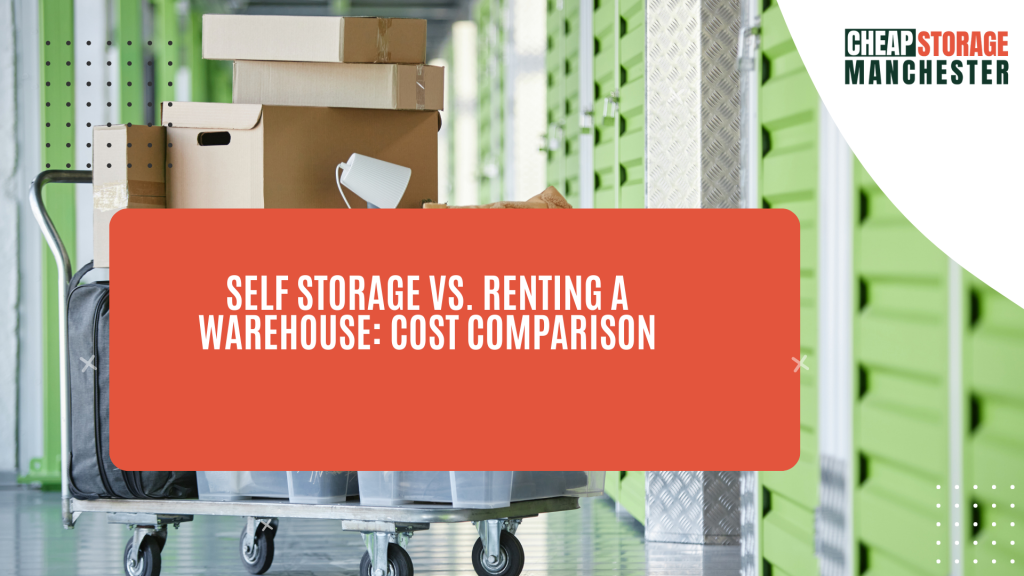
Two common options many SMEs consider are self storage and renting a warehouse. Both provide extra capacity beyond your home or vehicle, but they differ significantly in cost, flexibility, and how they fit your business operations.
This guide compares self storage vs. renting a warehouse highlighting real costs and practical considerations to help you make the right choice.
Why Businesses Outgrow At-Home Storage
Home garages, spare rooms, and vans are often the first storage solutions for small businesses. But space soon becomes a barrier:
- Stock spills into living areas
- Tools crowd around your home
- Supplies mix with personal items
- Organisation becomes harder
At that point, you’re ready to look at external space and the choice usually comes down to self storage vs. renting a warehouse.
How Costs Really Compare: Self Storage vs. Warehouse
Costs depend on location, size, contract length, and how you use the space. In Manchester, market rates vary and the right choice depends on your business needs.
Upfront and Recurring Costs
| Cost Type | Self Storage | Renting a Warehouse |
|---|---|---|
| Deposit | Often none or small | Usually 3–6 months’ rent deposit |
| Monthly Fees | Competitive and scale-friendly | Often higher due to business rates & services |
| Utilities | Included or minimal | Often paid by tenant |
| Business Rates | Usually not charged | Commonly charged on warehouse space |
| Maintenance | Provider responsibility | Tenant responsibility |
| Commitment | Flexible (monthly) | Medium/long term lease |
Self storage usually wins on lower upfront and predictable monthly costs particularly for newer or fluctuating businesses.
How Self Storage Costs Work
Self storage is priced by unit size, not utility usage or business rates. In Manchester, this makes it a cost-efficient choice for many smaller operations.
Key Features of Self Storage Pricing
- Flexible terms: You rent on a monthly basis, with no long lease.
- No business rates: Storage units aren’t usually subject to commercial property tax.
- Included security: CCTV, secure access, and maintenance are part of the package.
- Size options: From small lockers to large units only pay for what you need.
You can view current storage prices here.
For many businesses, especially when scaling, this flexible cost structure is easier to manage than fixed warehouse rent.
The True Cost of Renting a Warehouse
Warehouses offer large, open space that can include:
- Multiple docking doors
- Large stock areas
- Space for equipment or assembly
- Room for staff on site
But this comes with operational costs.
Typical Warehouse Costs
- Business rates: Often significant and ongoing.
- Utilities: Power, lighting, heating, all paid by tenant.
- Insurance: Larger spaces often require higher premiums.
- Maintenance: Repairs, cleaning, pest control, etc.
- Commitment: Long leases, often 3–5+ years.
For many small businesses, especially those with variable stock cycles or seasonal demand, these fixed costs can reduce flexibility and tie up capital.
Case Examples: When Self Storage Makes Sense
1. Online Retailers and Marketplace Sellers
If you sell via Amazon, Etsy, eBay, Shopify or others, you often have:
- Fluctuating stock levels
- Seasonal peaks
- Need for packing and dispatch support
Storage works well because it’s flexible, secure, and doesn’t require a long-term lease.
You can also combine storage with fulfilment services such as receipt and dispatch.
2. Tradespeople with Tools and Materials
Trades often need secure space for:
- Tools between jobs
- Bulk materials
- Seasonal equipment
A storage unit secures valuable tools better than leaving them at home or in a van — with lower risk and without a warehouse lease.
Dedicated tool storage options can help.
3. Market Traders and Pop-Up Retailers
Market stalls, seasonal lines, and stalls all need:
- Space for seasonal displays
- Packing materials
- Back-of-stall stock
Self storage lets you scale up seasonally and avoid paying rates year-round for a warehouse.
Learn more about flexible storage for business needs here.
When a Warehouse May Be Worth It
While self storage is often cheaper and more flexible, there are situations where a warehouse could be the right investment.
1. You Need On-Site Operations
Warehouses become necessary when your business needs:
- Production or assembly space
- Staff working on site regularly
- Large machinery or staging areas
- Heavy dock access or vehicle movement
In these cases, renting a warehouse becomes part of your operational model not just storage.
2. High Volume, Predictable Inventory
If your business has:
- High turnover and predictable demand
- Consistent staff and operations hours
- Regular deliveries and bulk handling
A larger, dedicated space might make sense long-term even if initial costs are higher.
Security and Access: Key Cost Factors
Self Storage Offers Built-In Security
Self storage facilities often include:
- CCTV monitoring
- Gated access with PIN/card control
- Individual locks and unit security
- Well-lit and monitored sites
This reduces insurance complexity and helps protect tools and stock even when you’re not on site daily.
Learn more about secure storage options here.
Warehouse Security Must Be Arranged Separately
When you rent a warehouse, security planning becomes your responsibility:
- CCTV installation
- Alarm systems
- On-site security personnel
- Perimeter fencing or lighting
These are additional costs and often necessary if valuable stock or equipment is onsite.
Flexibility vs Commitment: A Cost Perspective
Self Storage: Move and Change Easily
One of the biggest financial advantages of storage is flexibility.
You can:
- Upsize or downsize units
- Pause or end rentals without long notice penalties
- Avoid long leases with fixed costs
This makes self storage ideal for businesses with variable stock cycles or unpredictable growth.
Warehouse Leases Often Lock You In
Standard warehouse leases usually include:
- Long minimum terms (3–5+ years)
- Penalties for early exit
- Fixed costs regardless of usage
While stability can help planning, it can also restrict agility especially for smaller or seasonal businesses.
Hidden Costs to Consider
Both options have less visible costs that affect your bottom line.
Self Storage Hidden Costs
- Access restrictions (some units have limited hours)
- Additional services (e.g., shelving or forklifts)
- Insurance for stored goods (often separate)
Despite these, self storage’s overall cost remains predictable compared with warehouse rent.
Warehouse Hidden Costs
- Utilities and business rates
- Security setup and staffing
- Repair and maintenance
- Health and safety compliance
These costs are ongoing and scale with size.
Practical Examples: Manchester Businesses
Market Trader
A market stall owner uses self storage to:
- Store seasonal stock
- Organise equipment between events
- Avoid paying business rates all year
This keeps costs tied to usage and seasonality, not long-term leases.
Online Retailer
An online seller with fluctuating monthly orders often needs:
- Short-term space during peaks
- Smaller space during quieter months
Self storage makes scaling affordable and predictable without long-term rent.
Tradesperson
A contractor with tools and materials uses storage to:
- Keep valuable equipment secure
- Unload vans at the end of the day
- Organise tools by job or project
The cost of a self storage unit can be significantly lower than warehouse rent with rates and utilities.
Making the Right Choice for Your Business
Ask yourself these questions:
- Do I need frequent, flexible access?
- Is my stock level seasonal or unpredictable?
- Do I need workspace or just storage?
- Can I manage additional costs like rates and utilities?
- Does my business need on-site staff or operations?
If your focus is storage, organisation, and flexibility, self storage usually wins.
If you need a base for operations with staff, machinery, and regular workflows, a warehouse may be right, but at higher ongoing cost.
Quick Summary: Self Storage vs. Renting a Warehouse
- Self storage offers flexibility, lower upfront and ongoing costs, and easy scaling.
- Warehouse rent provides space for operations but comes with business rates, utilities, and long leases.
- Security and access are included with most storage options, whereas warehouses require independent setup.
- Self storage is ideal for stock, tools, seasonal inventory, and SMEs with unpredictable needs.
- Warehouses suit larger operations with staff and on-site workflows.
Final Thoughts
Choosing between self storage and renting a warehouse isn’t just a cost comparison it’s a business strategy decision.
For many small businesses in Manchester, self storage delivers affordable, scalable space that reduces overheads, protects assets, and supports growth without long term commitment.
If you’re ready to explore flexible storage options or want help comparing solutions, start here.