Finding the Balance: How Long Should You Keep Items in Storage?
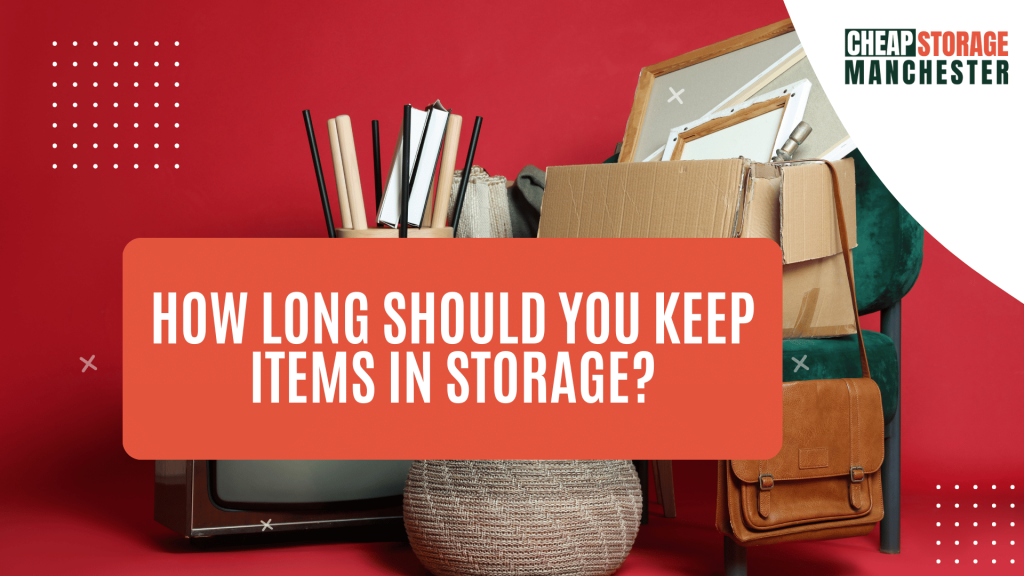
One of the most frequent questions people in Manchester ask when they are overwhelmed by clutter is: How long should you keep items in storage? Whether you are dealing with a spare room that has become a “catch-all” or you are navigating a major life transition, the answer isn’t always a simple number of weeks or months.
The duration of your storage stay depends heavily on the nature of the items and the reason you are storing them. Keeping things “just in case” for ten years is very different from storing seasonal gear for six months. Effectively managing your space requires a clear strategy to ensure you aren’t paying for space you no longer need, while still protecting the things that truly matter.
In this guide, we’ll explore the different timelines for various categories of belongings and help you decide when it is time to reclaim your items or let them go.
Short-Term Storage: The Transitional Phase (1–6 Months)
Short-term storage is typically used as a temporary solution during a period of high activity or change. This is the “bridge” that helps you manage logistics without the stress of immediate decisions.
Moving Home and Home Improvements
If you are moving home or undertaking significant home improvements, short-term storage is a lifesaver. It allows you to move furniture out of the way of builders or painters, protecting your furniture storage pieces from dust and damage.
In these cases, you should keep items in storage only for the duration of the project. Once the last coat of paint is dry or the new keys are in your hand, you should aim to move everything back within 3 to 6 months to avoid the “storage creep” where temporary solutions become permanent habits.
Student Breaks and Gap Years
For the large student population in Manchester, student storage is a standard seasonal requirement. The timeline here is usually dictated by the academic calendar, typically 3 to 4 months over the summer break. This is a purely functional use of storage that ends as soon as the new term begins.
Seasonal Storage: The Cyclical Phase (6–12 Months)
This is perhaps the most common reason people look for home storage in the North West. Because of our distinct weather patterns, we have a massive amount of “seasonal overflow.”
The 6-Month Rotation
A good rule of thumb for seasonal items is a 6-month rotation. In October, you move your summer clothes, sports equipment like paddleboards, and garden furniture into storage. At the same time, you pull out your winter coats, heaters, and Christmas decorations.
When asking how long should you keep items in storage in this context, the answer is “until the season turns.” If you find that a box of summer clothes has stayed in storage through two full summers without being touched, it is a strong sign that those items should be moved to a “donate” pile.
Holiday Decorations
These items are the ultimate seasonal guests. They should stay in storage for roughly 11 months of the year. Because these items are only used for 4 weeks, they are perfect candidates for long-term placement in a safe and secure storage facility where they won’t be crushed in a damp loft.
Long-Term Storage: The “Safekeeping” Phase (1 Year+)
Long-term storage is for items that have high sentimental or financial value but no immediate place in your daily life.
Sentimental Heirlooms and Life Events
Major life events, such as an inheritance or downsizing for an elderly relative, often result in long-term storage needs. You might store a family dining table because you plan to move to a larger house in two years, or you might keep childhood memories for your own children.
For these items, you can keep them in storage for several years, provided they are packed correctly to prevent deterioration. However, it is vital to audit these items once a year. Your emotional attachment to an object can change, and you may find that after 24 months, you are ready to let go of things you previously couldn’t part with.
Business Inventory and Archives
For Manchester-based entrepreneurs and online retailers, stock storage is often a permanent part of the business model. Similarly, documents and archive storage may need to be kept for 6 to 7 years to comply with tax and legal regulations. In this scenario, the duration is set by law or business growth.
Determining if an Item is Still Worth Keeping
If you are struggling to decide if an item has overstayed its welcome in your storage unit, ask yourself the following three questions:
1. Does it have a “Return to Home” date?
Every item in storage should have a “purpose.” Are you storing that sofa because you are moving in six months, or just because you don’t know what else to do with it? If there is no clear date or event that would trigger the item’s return to your home, it may be time for some decluttering.
2. Is the cost of storage exceeding the item’s value?
This is a practical financial check. If you are storing a £200 wardrobe for three years, the storage costs will eventually exceed the cost of buying a new one. Unless the item is an irreplaceable heirloom, consider the prices you are paying. However, if you have found the cheapest storage prices in Manchester, the “value-over-time” equation might lean more in your favour.
3. Would I buy this item today?
Look at your stored goods with fresh eyes. If you were in a shop today, would you pay money for that item? If the answer is no, then you are likely keeping it out of habit rather than necessity.
Summary of Storage Timelines
- Short-Term (1-6 Months): Ideal for moving home, decorating, or student summer breaks.
- Medium-Term (6-12 Months): Best for seasonal clothing, garden furniture, and holiday decorations.
- Long-Term (1 Year+): Reserved for sentimental heirlooms, business storage inventory, and legal document archives.
- The “Rule of Two”: If a non-sentimental item has been in storage for two years without being used, it is almost certainly time to donate or sell it.
Managing Your Storage Effectively
To make the most of your space, no matter the duration, organization is key. Use high-quality best storage boxes to ensure items aren’t damaged by stacking. If you are using a facility that is open 7 days a week, you can treat your unit as an “extension” of your home, making it easier to swap items out and keep your storage period purposeful.
For those concerned about the initial cost of setting up a storage solution, look for providers that offer 50% off your first 9 weeks and no deposit. This gives you a low-cost “trial period” to see if storage works for your lifestyle.
Final Thoughts: Intentional Storage
So, how long should you keep items in storage? As long as they have a clear value and a future purpose. Storage should be a tool that helps you live a more organized, stress-free life in Manchester, not a “graveyard” for things you are afraid to deal with.
By setting personal deadlines and conducting regular audits, you can ensure that your storage unit remains a functional asset. Whether you need warehouse storage for a growing business or just a small locker for your winter coats, being intentional about your timeline is the secret to successful decluttering.