Why Saving Memories Safely Matters More Than We Realise
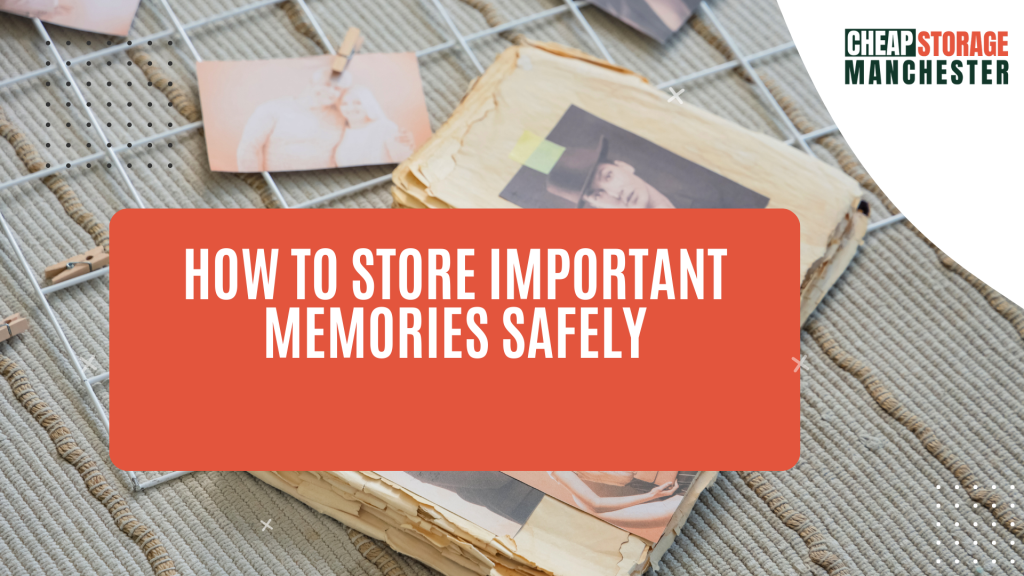
Memories aren’t just objects. They’re stories, relationships, and moments that shaped who we are. Photos, letters, keepsakes, and heirlooms often become most important during times of change bereavement, downsizing, moving home, or major life transitions.
For many people in Manchester, saving memories isn’t about tidying up. It’s about protecting meaning while life moves forward. Knowing how to store important memories safely can prevent accidental damage, loss, or regret and can also reduce emotional pressure when you’re not ready to make permanent decisions.
This guide focuses on practical, respectful ways to store sentimental belongings safely, whether short-term or long term.
What Counts as “Important Memories”?
Memories Are Often Physical
When we talk about saving memories, we usually mean items such as:
- Photographs and albums
- Letters, cards, and journals
- Family heirlooms
- Childhood items
- Artwork or handmade objects
- Furniture with sentimental value
These items often have little financial value but enormous emotional weight.
That emotional connection is why storage decisions around memories can feel harder than decisions about everyday belongings.
Common Life Situations Where Memory Storage Becomes Necessary
During Bereavement
After losing a loved one, belongings often need to be moved or sorted before emotional processing has caught up.
Storage allows you to:
- Protect items without rushing decisions
- Keep memories safe while probate or housing changes are resolved
- Create distance without letting go
This is one reason memory storage frequently overlaps with major life events.
Downsizing or Moving Home
When moving to a smaller space, sentimental items are often the hardest to place.
Storage can help when:
- Your new home can’t accommodate everything
- You’re unsure which items you’ll want long-term
- You don’t want to discard meaningful belongings
Using home storage creates breathing space during these transitions.
Renovations or Temporary Moves
Renovations, house sitting, or temporary accommodation can put delicate items at risk.
Dust, moisture, and disruption are all threats to keepsakes — storage removes that risk entirely.
Preparing Memories for Safe Storage
Start With Sorting — Gently
Saving memories doesn’t mean keeping everything.
A practical approach is to sort items into three categories:
- Keep accessible – items you want nearby
- Store safely – important but not needed daily
- Let go – items without emotional or practical value
This process should be slow and pressure-free. Storage allows you to pause at the “store safely” stage without forcing decisions.
Protecting Photos and Paper Items
Paper-based memories are especially vulnerable.
Before storage:
- Remove items from plastic bags that trap moisture
- Use acid-free boxes or folders
- Avoid tight stacking that can cause creasing
For irreplaceable documents, document archive storage offers an extra layer of protection.
Storing Furniture With Sentimental Value
When Furniture Holds Memories
A table where family gathered. A chair passed down generations. Furniture often carries emotional weight beyond its size.
If furniture can’t stay in your home right now:
- Clean and dry thoroughly
- Disassemble where possible
- Wrap in breathable coverings
Dedicated furniture storage helps prevent damage while keeping options open for the future.
Choosing the Right Storage Environment
Why Security and Conditions Matter
When saving memories, peace of mind matters as much as space.
Look for storage that offers:
- CCTV and controlled access
- Clean, dry units
- Individual locks
Facilities focused on safe and secure storage reduce anxiety around leaving meaningful items off-site.
Access When You Need It
Sometimes you want to retrieve a memory unexpectedly a photo for a family event, a keepsake during a difficult moment.
Storage facilities that are open 7 days a week give flexibility without pressure.
Making the Process Easier During Emotional Times
Reduce Physical and Mental Load
Handling sentimental items can be emotionally exhausting.
Practical support can help:
- Free packing boxes to avoid rushed packing
- Free van hire to reduce logistics stress
- Free collections and removals when lifting feels overwhelming
These services exist to make difficult moments more manageable.
Labelling and Organisation: Helping Future You
Label With Care, Not Just Efficiency
When storing memories, labels should reduce emotional friction later.
Helpful examples:
- “Family photos — Mum”
- “Letters — university years”
- “Children’s artwork — keep”
Avoid vague labels like “miscellaneous” clarity matters when revisiting emotional items.
Cost Considerations When Storing Sentimental Items
Storage Shouldn’t Add Stress
Cost worries can undermine the comfort storage is meant to provide.
Ways to stay in control:
- Choose the smallest unit that fits your needs
- Review storage prices early
- Consider flexible options like no-deposit storage
Introductory offers such as 50% off your first 9 weeks can be helpful during unexpected transitions.
Storage as Emotional Space, Not Avoidance
There’s No Deadline on Memories
A common worry is that storing memories means postponing grief or decisions indefinitely.
In reality, storage works best when it:
- Removes immediate pressure
- Creates space for emotional processing
- Allows intentional revisiting later
Many people combine storage with gradual decluttering once they feel ready.
How Often Should You Revisit Stored Memories?
There’s no fixed rule.
Some people review annually. Others wait years.
What matters is that storage gives you control over timing not that everything is resolved quickly.
Short Summary: Saving Memories Safely
- Memories often carry emotional value beyond objects
- Saving memories safely reduces pressure during life changes
- Proper packing protects photos, papers, and keepsakes
- Secure, flexible storage offers peace of mind
- Storage gives time not obligation to decide
Protecting What Matters While Life Moves Forward
Saving memories isn’t about holding onto the past. It’s about respecting it while making room for the future.
Storage can’t replace memories but it can protect the objects that carry them, especially during times of upheaval.
For people in Manchester navigating change, Cheap Storage Manchester provides practical, flexible options designed to support real life, not rush decisions. If you want to understand how storage works before committing, their FAQs or contact page are useful places to start.
Sometimes, the safest way to honour memories is simply to give them space until you’re ready.