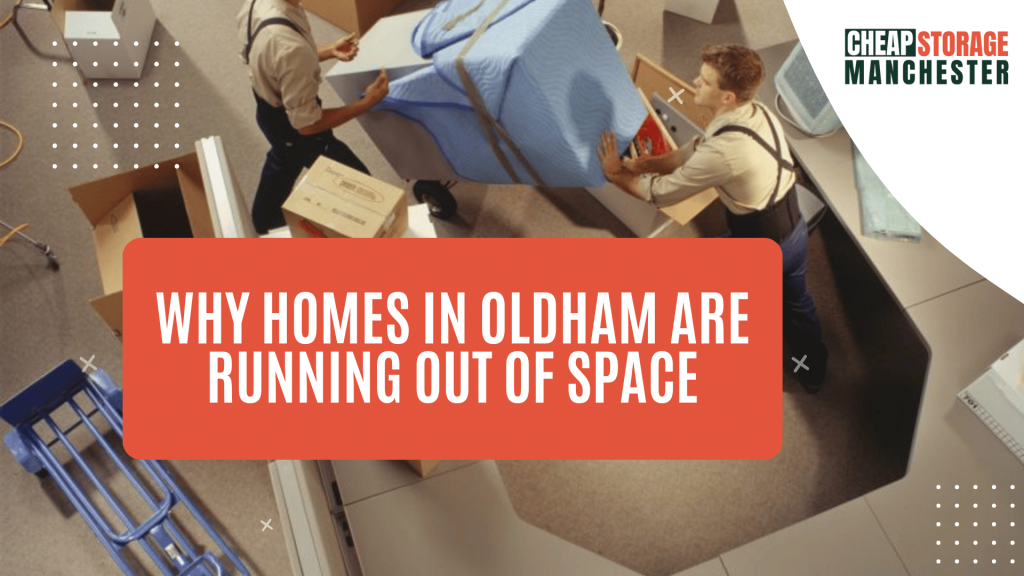
Living space has become a growing concern for many households across Oldham. What once felt like a comfortable home can start to feel restrictive as lifestyles change, families grow, and housing patterns evolve. The issue is not caused by a single factor but by a combination of social, structural, and planning-related pressures that are reshaping how people live in the area.
This article explores why homes in Oldham are running out of space, particularly in areas such as Chadderton and Royton, and what practical steps residents can take to manage these challenges without rushing into major decisions.
The changing housing landscape in Oldham
Oldham’s housing stock reflects its industrial heritage. Large numbers of terraced and semi-detached properties were built for a very different way of life, often prioritising efficiency over flexibility.
Today, those same homes are expected to accommodate home offices, storage for modern appliances, children’s equipment, and multi-generational living.
Older properties with fixed layouts
Many homes across Oldham were designed with:
- Smaller kitchens and utility areas
- Limited built-in storage
- Narrow staircases and loft access
- Few adaptable rooms
While these properties have character, their layouts can make it difficult to reconfigure space without significant renovation.
New developments with tighter footprints
Town centre regeneration has introduced new apartments and townhouses that prioritise location and efficiency. These homes often come with:
- Reduced storage areas
- Smaller bedrooms
- Limited outdoor space
- No garages or sheds
For residents moving into these properties, the adjustment can be challenging, especially when downsizing from older family homes.
How regeneration is affecting space inside the home
Regeneration has brought positive changes to Oldham, including improved transport links and modern housing. However, it has also altered how space is allocated.
Fewer opportunities for extensions and conversions
Planning restrictions around property conversions and structural changes mean:
- Loft conversions may no longer be straightforward
- Outbuildings and garages are harder to repurpose
- Extensions face stricter design and environmental requirements
As a result, homeowners who previously relied on physical expansion are now seeking alternative ways to manage space.
Increased demand for flexible living
As more people work from home or run small businesses, rooms are expected to serve multiple purposes. A spare bedroom might double as:
- A workspace
- Storage for stock or tools
- A guest room
This overlap often leads to clutter and reduced functionality.
Lifestyle changes that add pressure to space
Beyond housing design, lifestyle shifts play a major role in why homes in Oldham are running out of space.
Growing families in fixed-size homes
Many households remain in the same property as their family grows. Over time, this leads to:
- Children’s items accumulating faster than expected
- Temporary storage becoming permanent
- Shared spaces feeling crowded
Without regular reassessment, storage needs can quietly exceed available space.
Multi-generational living
Economic pressures and caregiving responsibilities mean more families are living together. While this can be beneficial, it also increases:
- Furniture and personal belongings
- Paperwork and documents
- Seasonal items stored “just in case”
Homes designed for one household can quickly feel overwhelmed.
The impact of consumer habits on storage needs
Modern living brings convenience, but it also brings volume.
One-off purchases that never leave
Items bought for specific moments often linger:
- Exercise equipment
- Baby furniture
- Seasonal decorations
- Hobby supplies
Without a clear plan for where these items live long term, they begin to consume valuable living space.
Online shopping and bulk buying
Larger packaging and bulk purchases mean:
- Cupboards fill faster
- Spare rooms become overflow areas
- Hallways and under-stair spaces are repurposed
This gradual buildup is easy to overlook until space becomes unmanageable.
Why decluttering alone is not always the answer
Decluttering is often the first solution people try, but it has limitations.
Emotional and practical constraints
Some items are not ready to be let go:
- Family heirlooms
- Children’s belongings kept for future use
- Business equipment used intermittently
Removing these items permanently can feel unnecessary or stressful.
Timing matters
During periods of transition such as:
- Renovations
- Temporary relocations
- Family changes
Decluttering decisions may be rushed or regretted later.
In these situations, flexibility becomes more valuable than finality.
How people are adapting to space limitations
Rather than making irreversible changes, many households are choosing interim solutions that give them breathing room.
Reclaiming functional living areas
By removing non-essential items from the home, residents can:
- Restore spare rooms to their intended use
- Create clearer working environments
- Improve daily flow and organisation
This approach focuses on living better now, not just owning less.
Separating storage from living space
One emerging mindset shift is recognising that not everything needs to live inside the home at all times. Items used occasionally can be stored elsewhere while remaining accessible when needed.
Practical steps to manage space more effectively
For those feeling the pressure, small changes can make a noticeable difference.
Conduct a space audit
Walk through your home and identify:
- Rooms used primarily for storage
- Items not accessed in the last six months
- Belongings stored “temporarily” without a plan
This helps distinguish between daily essentials and long-term items.
Categorise rather than declutter immediately
Group items into categories:
- Everyday use
- Seasonal or occasional use
- Sentimental or long-term
This removes the pressure to make instant decisions.
Plan storage around life stages
Think ahead:
- Will this item be needed again within a year?
- Is it replacing living space functionality?
- Could it be stored safely for later use?
Answering these questions brings clarity without forcing disposal.
Why space pressures are likely to continue
Looking ahead, the factors contributing to why homes in Oldham are running out of space are unlikely to disappear.
- Housing density is increasing
- Flexible working is becoming permanent
- Planning regulations continue to tighten
- Consumer habits remain storage-intensive
This makes long-term space planning more important than ever.
A balanced approach to space management
Rather than viewing space as something that must be permanently expanded or reduced, many households are adopting a more fluid approach.
This includes:
- Keeping living areas clear and functional
- Storing infrequently used items elsewhere
- Reviewing storage needs as life changes
The goal is not minimalism, but balance.
Key takeaways at a glance
- Older housing layouts limit flexibility
- Regeneration has reduced expansion options
- Lifestyle changes increase storage demands
- Decluttering alone is not always practical
- Separating storage from living space can restore balance
Short summary
Understanding why homes in Oldham are running out of space requires looking beyond clutter and recognising broader changes in housing, planning, and everyday life. From aging property layouts to modern living demands and regeneration pressures, space constraints are becoming part of daily reality for many households in Oldham, Chadderton, and Royton.
By approaching space management thoughtfully and allowing for flexibility during life changes, residents can regain control of their homes without making rushed or permanent decisions. The key lies in creating room to live comfortably today while staying adaptable for whatever comes next.