
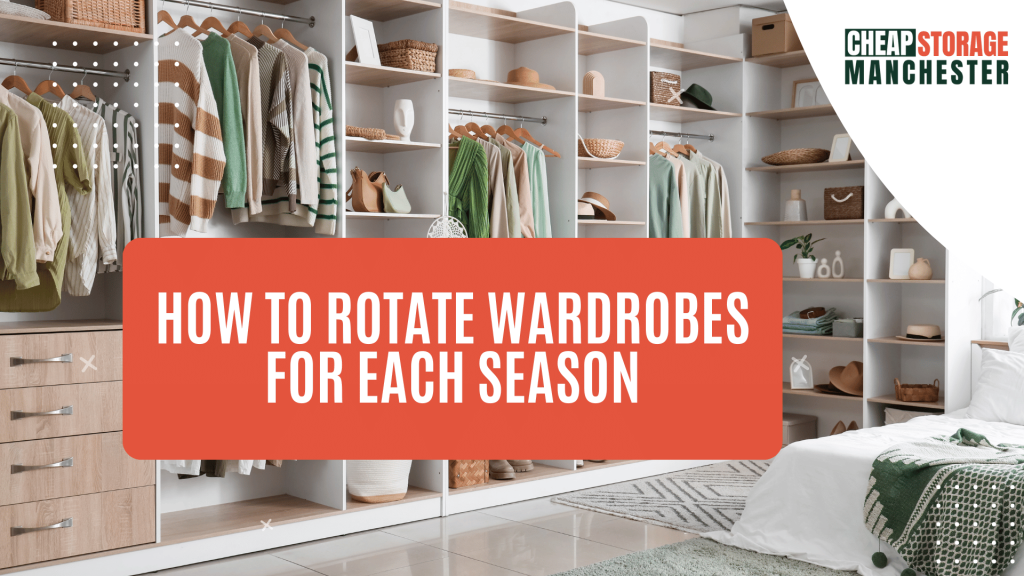
The Challenge of the Manchester Wardrobe
Living in Manchester means being prepared for four seasons in a single afternoon. From the biting winds of January to the humid (if brief) summer spells, our clothing needs are diverse. However, few of us have the luxury of a walk-in dressing room that can accommodate heavy wool overcoats alongside summer linens all year round.
When your wardrobe is packed to capacity, it doesn’t just make getting dressed more difficult; it can actually damage your clothes. Cramming items together leads to permanent creasing, broken hangers, and a lack of airflow that can encourage mustiness. Learning how to rotate wardrobes for each season is the most effective way to reclaim your bedroom space and extend the life of your favourite garments.
By treating your wardrobe as an evolving collection rather than a permanent storage unit, you can maintain a home that feels calm and organised, regardless of the weather outside.
Step 1: The Seasonal Audit and Cleanse
You should never store clothing that isn’t clean or that you no longer wear. Before you start the physical rotation, you need to conduct a thorough audit.
The “Three-Pile” Rule
Empty your wardrobe completely. As you go, sort every item into three distinct piles:
- The Keepers: Items you have worn in the last six months and love.
- The Charity/Resale: Items that no longer fit or suit your style.
- The Seasonal Storage: Items that are in great condition but aren’t right for the current weather (e.g., heavy knits in June).
Cleanliness is Non-Negotiable
Before packing anything away, ensure every garment is freshly laundered or dry-cleaned. Even if a jumper looks clean, microscopic skin cells, perfume, or food particles can attract moths and cause yellowing over time. This is a vital part of decluttering your lifestyle, starting each season with a fresh, clean slate.
Step 2: Mastery of Packing Techniques
Once you have identified your out-of-season items, the way you pack them will determine how they look when you unpack them in six months.
Vacuum Sealing vs. Breathable Bags
Vacuum bags are a miracle for home storage, especially for bulky items like puffer jackets and winter duvets. They can reduce the volume of your items by up to 75%. However, be cautious with natural fibres like wool, silk, or down-filled coats; these items need to “breathe” to maintain their structure. For these, use breathable fabric garment bags or cotton storage bins.
The Art of Folding
To prevent deep-set wrinkles, use the “rolling” method for t-shirts and jeans. for delicate items, place acid-free tissue paper between layers. If you are storing shoes, stuff them with paper to help them maintain their shape and prevent the leather from cracking.
Strategic Labelling
There is nothing more frustrating than needing a specific coat for a surprise cold snap and having to open ten different boxes to find it. Use clear plastic bins or label every fabric bag with its contents. Detailed labels like “Winter Knitwear – Wool” are much more helpful than just “Winter.”
Step 3: Finding the Right Storage Environment
Where you keep your off-season clothes is just as important as how you pack them. In many Manchester homes, the default options are the loft or the cellar, but these can be risky.
Avoiding the Damp
Manchester is known for its humidity. Lofts can reach extreme temperatures in the summer and become damp in the winter, while cellars are often prone to moisture. These conditions are the enemies of fabric, leading to mould, mildew, and “attic smell.”
If you lack a spare room or a dry cupboard, it may be worth looking into safe and secure storage options. Professional facilities offer a climate-controlled environment that keeps your delicate fabrics in pristine condition.
Reclaiming Your Living Space
If you are currently undergoing a home renovation, having boxes of clothes stacked in the corner of your bedroom can add to the stress. Moving your seasonal rotation into a dedicated unit allows you to focus on your project without the clutter.
Step 4: Maintaining the Current Season
With the off-season items removed, you can now organise your “active” wardrobe.
Uniformity Breeds Calm
Invest in matching hangers. It sounds simple, but having all your clothes sit at the same height on the rail creates a visual sense of order. Group your clothes by type (shirts, trousers, dresses) and then by colour. This makes finding an outfit in the morning significantly faster.
The “One-In, One-Out” Policy
To prevent your wardrobe from becoming overstuffed again, adopt a strict one-in, one-out policy. If you buy a new summer dress, one older item should be donated or moved to the storage pile. This keeps your home-storage manageable and prevents a buildup of unnecessary items.
Summary: How to Rotate Wardrobes for Each Season
- Audit First: Never store what you don’t wear. Use the transition between seasons to donate or sell unneeded items.
- Wash and Dry: Always launder clothes before storage to prevent moths and permanent stains.
- Choose the Right Container: Use vacuum bags for synthetics and breathable bags for natural fibres.
- Control the Climate: Avoid damp lofts or garages. Use furniture storage for high-value or delicate garments.
- Label Clearly: Save time later by knowing exactly what is in each box.
- Utilise Professional Help: If space is tight, look for facilities that offer free packing boxes and free van hire to make the move easier.
When Self Storage Makes Sense
For many people in Manchester, especially those in apartments or smaller terrace houses, there simply isn’t enough room to rotate wardrobes for each season within the home. This is where a small self-storage unit can become an extension of your home wardrobe.
It’s an ideal solution for:
- Specialised Gear: Storing bulky sports equipment or ski wear that takes up massive amounts of space.
- Students: Those using student storage to keep their winter gear safe during the summer break.
- Life Transitions: Managing your belongings during life events such as moving in with a partner or downsizing.
With many providers offering no deposit and 50% off your first 9 weeks, it is a cost-effective way to keep your home organised and your clothes protected.
Summary of Wardrobe Rotation Benefits
Effectively managing your clothing rotation reduces daily decision fatigue and ensures you always have a clear view of what you own. It prevents over-buying because you can see exactly what you have for the upcoming season, and it protects your financial investment in your clothing. By taking the time to store items correctly, you ensure they stay in “like-new” condition for years, rather than just seasons.
Final Thoughts
Mastering how to rotate wardrobes for each season is a skill that pays dividends in both time and peace of mind. A clear wardrobe leads to a clearer morning routine and a more organised home environment.
If your bedroom is currently feeling the strain of “too many clothes and not enough space,” don’t feel pressured to throw things away. Sometimes, the best solution is simply to find a better place for them to stay until the weather changes.