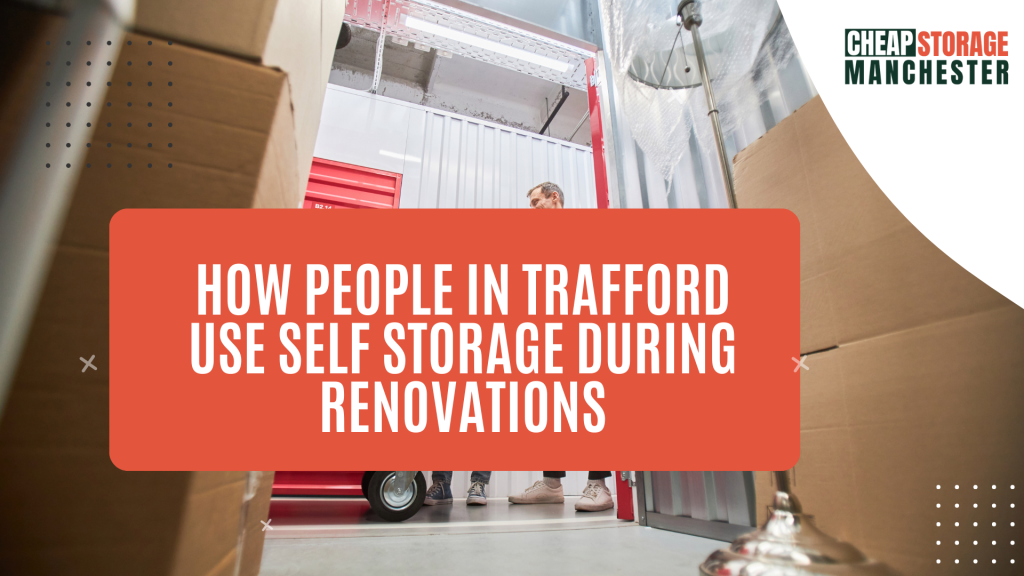
Home renovations often start with a clear goal: improve how a space looks or functions. In reality, the process can be messy, disruptive, and harder to live with than expected. For many people in Trafford, one of the biggest challenges isn’t the work itself, but managing belongings while rooms are stripped back, repurposed, or temporarily unusable.
Self storage is commonly used during renovations as a way to create breathing room. It helps protect belongings, keeps homes usable, and allows renovation projects to move forward with fewer daily obstacles.
Why renovations quickly reduce usable space
Even small renovation projects tend to affect more of the home than originally planned. Once work begins, rooms often need to be cleared completely, not just rearranged.
Common reasons space disappears during renovations include:
- Flooring work that requires empty rooms
- Wall repairs that create dust and debris
- Electrical or plumbing upgrades
- Kitchens or bathrooms taken out of use
As soon as one room becomes unavailable, its contents spill into other areas. This domino effect can make the whole home feel crowded.
Clearing rooms properly rather than shifting clutter
A common mistake during renovations is moving items from one room to another instead of removing them entirely. While this feels quicker at first, it often causes ongoing disruption.
Shifting clutter around the home can lead to:
- Constant reshuffling of furniture
- Limited access to essential areas
- Increased risk of damage
- Delays when rooms need to be cleared again
Using self storage allows belongings to be moved once, rather than repeatedly relocated as work progresses.
Protecting furniture and personal belongings
Renovation environments are rarely gentle. Dust settles everywhere, tools get moved around, and accidents can happen.
People in Trafford often place items into storage to:
- Protect furniture from dust and paint
- Prevent accidental knocks or scratches
- Keep soft furnishings clean
- Avoid exposure to moisture during building work
Removing valuable or sentimental items early reduces stress and helps people focus on the renovation itself.
Making renovation work easier for everyone involved
Clear, empty rooms make renovation work simpler and more efficient. Tradespeople can move freely, access walls and floors easily, and complete tasks without interruption.
Benefits of clearing rooms include:
- Faster progress
- Fewer delays caused by moving items
- Safer working conditions
- Less disruption to the rest of the home
Storage supports the practical side of renovations, even if it isn’t part of the original plan.
Supporting renovations done in stages
Not all renovation projects happen at once. Many households renovate room by room to spread costs and disruption.
Self storage supports phased renovations by:
- Holding furniture from rooms currently under work
- Keeping completed rooms uncluttered
- Preventing tools and materials spreading through the home
This staged approach makes it easier to live in the property while work continues.
Kitchens and bathrooms: the most disruptive rooms
Kitchens and bathrooms tend to cause the most disruption during renovations. They contain a high number of items, many of which are awkward to store elsewhere in the home.
Items often placed into storage include:
- Cabinets and freestanding units
- Small appliances
- Bathroom furniture and accessories
- Boxed kitchen equipment
Removing these items helps keep other rooms functional while work is underway.
Living at home during renovations
Many people remain in their homes throughout renovation projects. This makes managing space even more important.
Storage helps by:
- Keeping essential rooms usable
- Reducing overcrowding
- Allowing temporary layouts to work better
For families or people working from home, this extra breathing room can make a significant difference to day-to-day comfort.
Structural changes and layout decisions
Structural renovations often involve removing walls, changing room layouts, or extending spaces. These projects usually require full clearance of affected areas.
Self storage is used to hold:
- Furniture that no longer fits old layouts
- Items waiting to be reintroduced into redesigned rooms
- Belongings that may or may not suit the finished space
This flexibility allows decisions to be made after the renovation, rather than before.
Avoiding rushed decisions about belongings
Renovations often trigger a reassessment of what people own. However, making decisions under pressure can lead to regret.
Storage gives people time to:
- Live in the renovated space first
- See how rooms are actually used
- Decide which items truly work
Many people find they need fewer belongings once the renovation is complete, but prefer to reach that conclusion gradually.
Managing delays and unexpected changes
Renovation timelines don’t always go to plan. Delays, supply issues, or design changes can extend projects beyond expectations.
Storage helps manage uncertainty by:
- Keeping belongings safely out of the way
- Preventing clutter during delays
- Allowing work to pause without disrupting living space
This flexibility reduces stress when plans change.
Renovations combined with other life changes
Renovations rarely happen in isolation. They often overlap with other life events such as moving home, changes in family size, or work transitions.
In these situations, storage supports:
- Transitional living arrangements
- Gradual reorganisation of belongings
- Adjustments to new routines
Rather than treating renovation as a single project, storage helps manage the wider changes happening at the same time.
Preparing items properly for storage
Good preparation makes storage more effective during renovations and reduces problems later.
Helpful preparation steps include:
- Cleaning furniture before storing
- Disassembling large items where possible
- Labelling boxes clearly
- Keeping a simple inventory of stored items
This makes it easier to retrieve items once work is complete.
Bringing items back after renovations
Once renovations are finished, storage allows belongings to return gradually rather than all at once.
This helps by:
- Preventing immediate clutter
- Allowing thoughtful room setup
- Making it easier to identify unnecessary items
Many people find that renovated spaces work best when items are reintroduced slowly.
Using storage as part of a renovation plan
For people in Trafford, self storage is rarely an afterthought. It’s often used as part of the overall renovation strategy.
It helps to:
- Protect belongings
- Maintain usable living space
- Support phased work
- Reduce stress during disruption
For general information about storage services relevant to Trafford households, the Trafford location page provides helpful context:
https://www.cheapstoragemanchester.co.uk/
Household-focused storage is commonly used during renovation projects to keep personal belongings organised while work is underway:
https://www.cheapstoragemanchester.co.uk/home-storage/
Summary: how people in Trafford use self storage during renovations
Renovations create temporary chaos, reduce usable space, and disrupt routines. Self storage helps people manage these challenges more calmly.
Key reasons people use storage during renovations include:
- Clearing rooms for work
- Protecting furniture and belongings
- Supporting phased renovation projects
- Managing delays and uncertainty
- Avoiding rushed decisions